
Table of Contents
Reform Is the Goal. Fragmentation Is the Barrier.
Across the U.S., workers’ compensation programs are under pressure to deliver faster outcomes, stronger oversight, and better experiences for injured workers. Reform efforts are well intentioned, but many stall before meaningful impact is realized.
The reason is not policy.
The reason is not people.
The real issue is fragmented systems.
Claims data, medical records, financial transactions, and compliance workflows often live in disconnected environments. When information is scattered across siloed systems, even straightforward claims require manual coordination, repeated reviews, and workarounds that slow everything down.
When Legacy Systems Hold Reform Back
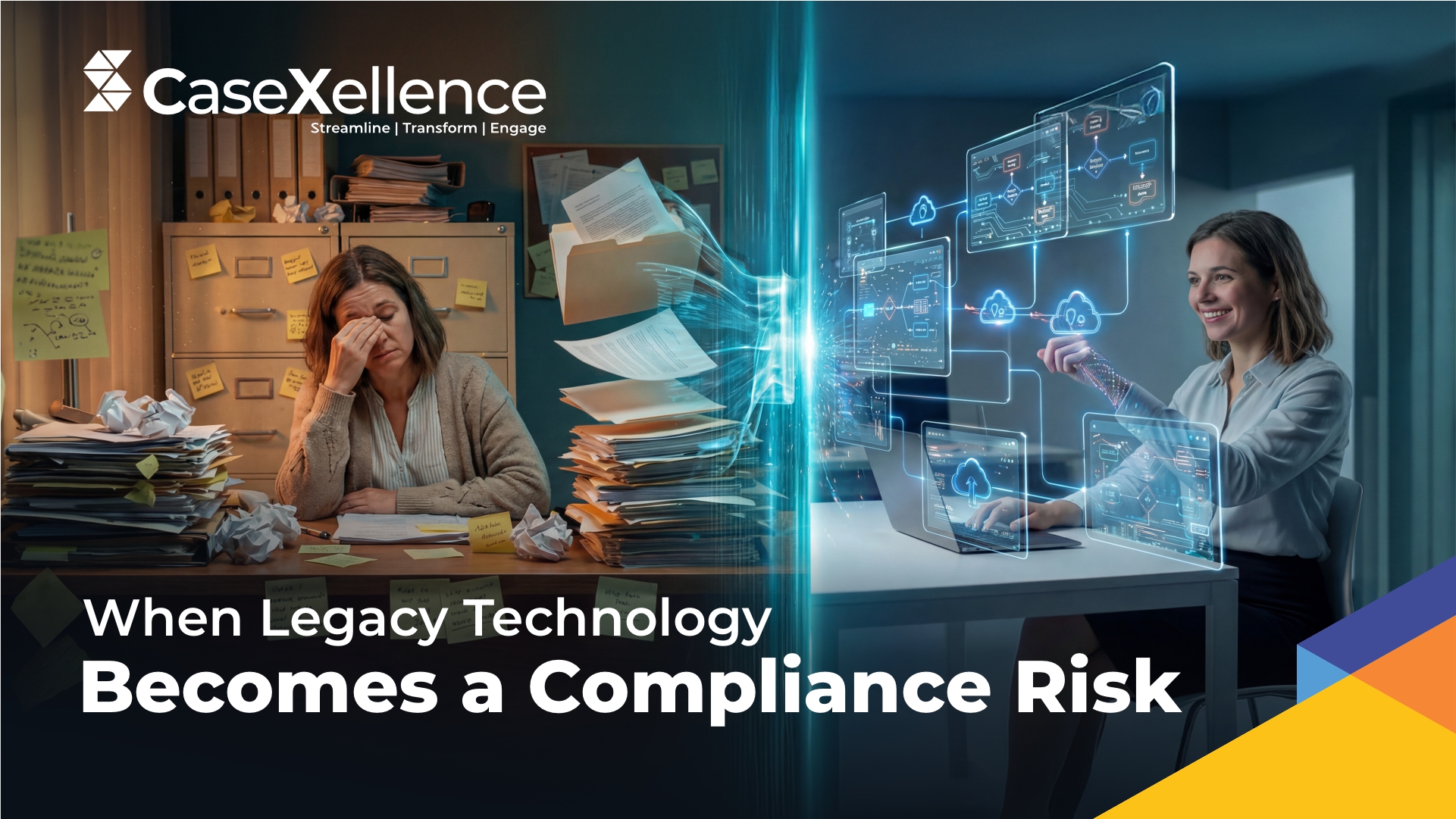
Many workers’ compensation platforms were built incrementally over decades. While they may still function, they were not designed to support today’s expectations for agility, transparency, and audit readiness.
As a result, agencies often struggle with systems that:
- Are difficult to update when program rules or policies change
- Depend heavily on manual reviews and paper-driven workflows
- Lack real-time visibility across medical, financial, and legal case elements
Federal oversight bodies have consistently warned that outdated government IT environments increase operational risk and limit agencies’ ability to adapt. In workers’ compensation programs, this translates directly into delayed claims, audit challenges, and reduced confidence among employers and injured workers.
Reform stalls not because agencies lack direction, but because sometimes technology cannot keep up.
Efficient, Easy-to-Use Platforms Are Available to Process Worker’s Compensation Claims Faster
The challenge agencies face today is not the absence of solutions, it is the persistence of outdated systems.
Modern case management platforms now offer the same ease of use, configurability, and reliability that organizations expect in other critical systems. For workers’ compensation programs, this means claims can move faster without sacrificing oversight, compliance, or accountability.
The key is adopting a platform designed to eliminate fragmentation, not add another layer to it.
CaseXellence: Built to Remove the Bottleneck
This is where CaseXellence becomes central to reform.
CaseXellence is an intelligent, low-code case management platform purpose-built for public sector programs like workers’ compensation. Rather than forcing agencies into full system replacement, it directly addresses the issue holding reform back: disconnected data and rigid workflows.
By unifying claims, workflows, and compliance processes into a single digital environment, CaseXellence enables agencies to:
- Improve end-to-end claim visibility
- Reduce manual handoffs and processing delays
- Strengthen audit readiness and program integrity
Just as importantly, CaseXellence supports incremental modernization. Agencies can modernize at their own pace, without disrupting daily operations or introducing unnecessary risk.
Why This Matters Now
Workers’ compensation programs sit at the intersection of healthcare coordination, labour policy, and financial oversight. As states revisit benefit structures, eligibility rules, and enforcement mechanisms, technology can no longer be a limiting factor.
Reform requires systems that evolve as quickly as policy does.
CaseXellence provides that foundation, turning modernization from a barrier into an enabler.
Dive More into Speridian’s Government Worker’s Compensation Management System: CaseXellence
- Why Modernizing Workers’ Compensation Case Management Is a Priority for State Governments in 2025
- How Case Tracking and Monitoring Solutions Enhance Government Workers’ Compensation Services?
- How AI and Automation Are Transforming Government Workers’ Compensation Platforms
- How to Transform Workers Compensation with Unmatched Flexibility
- Everything You Need to Know About Low-Code BPA Suites for the Public Sector
- Choose the Right AI-Driven Low-Code Business Process Automation Suite with These 5 Tips