
Top 3 Benefits of AI in Field Service
Field service technicians have nothing to fear about the advancements of artificial intelligence (AI) in field service management.

Field service technicians have nothing to fear about the advancements of artificial intelligence (AI) in field service management.

The Banking industry in India continued to face a challenging period with increase in Non-Performing Assets (NPAs) particularly from corporate segment due to various macroeconomic and other factors.


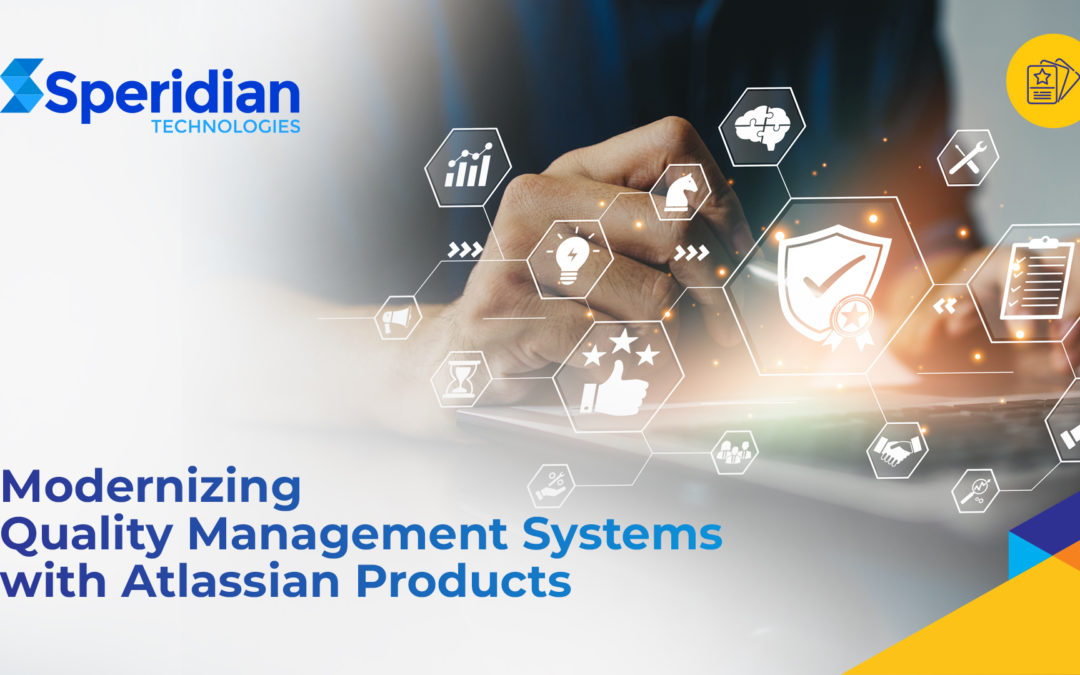
Our clients operate in an ever-changing consumer landscape. Customer demands, regulations and technologies are pressuring them to adapt faster, more frequently and with less fallacy. With the COVID-19 pandemic came the realization that quality is the differentiator in many industries. Quality products, quality teamwork, quality decisions.




Much like financial debt, organizations accumulate technical debt because they want a process or functionality now to achieve a short-term goal.


How is predictive maintenance the key to satisfying more of your customers? Predictive maintenance uses technology, such as the Internet of Things (IoT)




In today’s digital era, every business wants to ensure that customer satisfaction is of foremost importance. Traditional service request triaging process has a lot of manual interventions which leads to operational issues and this can severely affect your customer retention process.

Digital collections, agility, consumer focus on analytics are priorities now as debt collectors deal with the pandemic. In chess, a blunder is a critically bad move.

Digital collections, agility, consumer focus on analytics are priorities now as debt collectors deal with the pandemic. In chess, a blunder is a critically bad move.
Listen to a podcast interview with Speridian’s SAP SuccessFactors expert, Greg Turner, then explore our Speridian Advantage for SAP SuccessFactors microsite


Many service providers and manufacturers find redundant and sometime manual warranty processes challenging. Few recognize that the benefits that can be gained through optimization of their warranty management systems. Traditionally, Warranty Management Systems are clunky and inefficient because they are assembled piecemeal over time. These systems tend to be plagued by fragmented communication and manually intensive administrative tasks—making them both costly to maintain and low-performing.


ضمان التفوق في المنتج من خلال عمليات شاملة لمراقبة الجودة، مما يقلل من الفاقد ويعزز رضا العملاء.
• تحسين سلسلة التوريد: تحقيق تدفق سلس للمواد والمعلومات والأموال عبر سلسلة التوريد، مما يقلل من التكاليف ويحسن أوقات
التسليم.
إن إم آر دي برو من سبيريديان تكنولوجيز هو حلاً مبتكرًا مصممًا لصناعة التصنيع والتجزئة والتوزيع. يعتمد على الحلول
السحابية المتقدمة من أوراكل، إن إم آر دي برو يقف كركن أساسي للشركات الراغبة في ثورة عملياتها من خط الإنتاج إلى نقطة
البيع.

Empower Your Customer Insights:
Dive deep into your customer data with our comprehensive Customer 360 view. Gain access to
essential details such as enrolment branch, accounts by branch, primary contact information,
personal information (name, address, phone number), account details, transaction and credit
payment history.
Explore a full list of products, manage new onboarding smoothly, and leverage personalized
recommendations and next best offers to enhance customer engagement.
Stay proactive with follow-up activities, manage leads and opportunities efficiently, and ensure
customer satisfaction through effective request and complaint resolution.
اكتشف الإمكانات الكاملة لخدماتك المالية مع FinEdge. قم بجدولة عرض توضيحي اليوم وانطلق في رحلة نحو التميز التشغيلي، ورضا العملاء غير المسبوق، والنمو الاستراتيجي. مع FinEdge، لا يقتصر مستقبل البنوك على الجانب الرقمي فحسب، بل هو مشرق أيضًا.
تعتبر FinEdge أكثر من مجرد حل لإدارة المال؛ إنها شريك في التحول الرقمي لصناعة الخدمات المصرفية والمالية. التزامنا بالابتكار، مدعومًا بقوة نظام إدارة المال من Oracle، يضع مؤسستك في طليعة الثورة الرقمية.
قم بدفع النمو الاستراتيجي باستخدام التحليلات المتقدمة من FinEdge. توفر حلولنا رؤى عميقة في أداءك المالي، وسلوك العملاء، واتجاهات السوق، مما يمكنك من تحديد الفرص للابتكار والتوسع. اتخذ قرارات مستندة إلى البيانات تدفع مؤسستك قدمًا في عصر الرقمية.
قم بتحويل تفاعلاتك مع العملاء باستخدام أدوات إدارة تجربة العميل المتكاملة لدينا. توفر FinEdge رؤية شاملة لتفاعلات عملائك، مما يمكن من تقديم خدمة ودعم شخصية. قم بتعزيز رضا العملاء والولاء من خلال تقديم تجارب عالية الجودة ومتسقة عبر جميع نقاط الاتصال.
بنية تحتية قابلة للتوسع في السحابة
اعتنق المستقبل مع منصة FinEdge القائمة على السحابة، المصممة للتوسع والمرونة.
سواء كنت مؤسسة صغيرة أو مؤسسة كبيرة، تنمو حلولنا مع احتياجاتك، مما يضمن لك أن تكون لديك البنية التحتية التكنولوجية لتوسيع خدماتك ونطاق وصولك.
قدم خدمات استثنائية للعملاء:
خدم عملاء ذوي الثروات العالية باستخدام مجموعة من ميزات إدارة الثروات التي تتضمن الحفاظ على ملامح تفصيلية للعميل، وتقديم خدمات استثمارية شخصية، وتقديم تقارير استثمارية ربع سنوية.
ادارة طلبات الخدمة بسهولة، وتعيينها للفرق المناسبة تلقائيًا، وإبقاء العملاء مطلعين باستخدام إشعارات استشارات الاستثمار.
توفر منصتنا رؤى إدارة المخاطر في الوقت الحقيقي، مما يضمن لك تقديم نصائح وخدمات مخصصة لتحقيق أهداف عملائك المالية وتفضيلات الاستثمار.
المبيعات والتسويققم بدفع النمو من خلال استراتيجيات مستهدفة:
استفد من إمكانيات جهود المبيعات والتسويق مع الأدوات المصممة لإنشاء وإدارة العملاء المحتملين عبر القنوات المختلفة، واستيراد قوائم العملاء المحتملين، وتحويل العملاء المحتملين إلى عملاء فعليين.
قم بتخصيص عملية المبيعات الخاصة بك، وتتبع أداء الحملات التسويقية، وإطلاق حملات مستهدفة عبر البريد الإلكتروني، ووسائل التواصل الاجتماعي، وغيرها.
تمكين منصتنا من التقسيم استنادًا إلى بيانات دقيقة ومعايير، مع توفير قوالب للاتصال شخصية ولوحات تحكم تسويقية موجهة لتعظيم فعالية الحملات.
تحديث عمليات الفروع بالكامل:
قم بتحسين تجربة الخدمات المصرفية في الفروع من خلال مجموعة من الميزات التي تهدف إلى تعزيز خدمة العملاء وكفاءة العمليات.
قم بصياغة الصفحات الرئيسية التي تقدم روابط سريعة لطلبات الخدمة، وتصور معلومات العملاء في نظام إدارة علاقات العملاء، وتدعم التفاعلات في الوقت الحقيقي مع كتالوج المنتجات والأسئلة الشائعة.
التقاط العملاء بفعالية، وتنبيهات تلقائية للأحداث الرئيسية، وإدارة طلبات الخدمة بسهولة، وضمان الامتثال لمعايير الخدمة.
أدوات إدارة الحسابات الشاملة لدينا، بالإضافة إلى جدولة المواعيد الفعالة، تبسط كل من العمليات التي تتطلب تكاملًا تامًا وتلك التي لا تتطلبه للحصول على أداء متميز.
تحسين خدمة العملاء الخاصة بك:
قم بتحويل مركز اتصالك بميزات متقدمة مصممة لتبسيط العمليات وتحسين رضا العملاء.
التقاط وتوجيه الفرص بكفاءة، وتتبع وإدارة الشكاوى وطلبات الخدمة عبر الهاتف بسهولة، والوصول إلى قاعدة معرفية قوية لحل المشكلات بسرعة.
استمتع بدعم الدردشة الحية، ومراقبة أداء الفريق، وتوجيه مهام طلبات الخدمة تلقائيًا، والتنقل في تدفقات الموافقة على التصعيد بدقة.
توفر منصتنا تحديثات شاملة لحالة الطلبات، مما يضمن دورة حياة للطلب السلسة ومقاييس أداء الفريق المحسنة.
تمكين رؤى العملاء الخاصة بك: استكشاف أعماق بيانات عملائك مع عرض “العميل 360” الشامل لدينا. احصل على وصول إلى التفاصيل الأساسية مثل فرع التسجيل، والحسابات حسب الفرع، ومعلومات الاتصال الأساسية، والمعلومات الشخصية (الاسم، العنوان، رقم الهاتف)، وتفاصيل الحساب، وتاريخ المعاملات وتاريخ السداد.
MRDPro, powered by Oracle, is more than a solution; it’s a strategic partner in your journey towards
digital transformation. With comprehensive support from Speridian Technologies, embrace
innovation and drive your business to new heights of operational excellence and customer
satisfaction.
Ready to Lead Your Industry?
Embrace the future with MRDPro. Discover how our solution can transform your manufacturing,
retail, and distribution operations. Schedule a demo today and step into a world of excellence from
production line to point of sale.
Inventory Accuracy:
Maintain accurate, real-time inventory levels across all channels,
minimizing stockouts and excess inventory.
Enhanced Customer Insights:
Utilize advanced analytics to understand customer preferences
and behaviors, driving personalized marketing and sales strategies.
Agile Merchandising Operations:
Streamline merchandising processes with cloud flexibility,
allowing for rapid adaptation to market trends and consumer demands.
Quality Management:
Ensure product excellence with comprehensive quality control
processes, reducing waste and enhancing customer satisfaction.
Supply Chain Optimization:
Achieve a seamless flow of materials, information, and finances
across the supply chain, reducing costs and improving delivery times.
Real-time Production Insights:
Monitor and manage production schedules, inventory levels,
and quality standards with real-time analytics and reporting.
Discover the full potential of your financial services with FinEdge. Schedule a demo today and
embark on a journey to operational excellence, unparalleled customer satisfaction, and strategic
growth. With FinEdge, the future of banking is not only digital—it’s bright.
FinEdge is more than a financial management solution; it’s a digital transformation partner for the banking and financial services industry. Our commitment to innovation, backed by the power of Oracle's financial management system, positions your institution at the forefront of the digital revolution.

Offer Exceptional Client Services:
Cater to your high-net-worth clients with a suite of wealth management features that include
maintaining detailed client profiles, offering personalized investment services, and delivering
quarterly investment reports.
Manage service requests with ease, assign them to the appropriate teams automatically, and keep
clients informed with investment advisory notifications.
Our platform provides real-time risk management insights, ensuring that you can offer tailored
advice and services to meet your clients' financial goals and investment preferences.

Drive Growth with Targeted Strategies:
Unlock the potential of your sales and marketing efforts with tools designed to create and manage
leads across channels, import prospect lists, and convert prospects into customers.
Customize your sales process, track campaign performance, and launch targeted campaigns via
email, social media, and more.
Our platform enables segmentation based on precise data and criteria, offering personalized
communication templates and insightful marketing dashboards to maximize campaign effectiveness.

Revolutionize Branch Operations:
Elevate your branch banking experience with a suite of features aimed at enhancing customer
service and operational efficiency.
Craft homepages which offers quick links to service requests, visualizes customer information in
CRM, and supports real-time interactions with product catalogs and FAQs.
Capture leads effectively, automate notifications for key milestones, manage service requests
effortlessly, and ensure compliance with SLAs.
Our comprehensive account management tools, combined with efficient appointment scheduling,
streamline both STP & Non-STP processes for peak performance.

Enhance Your Customer Service:
Transform your contact centre with advanced features designed to streamline operations and
improve customer satisfaction.
Capture and route prospects efficiently, track and manage phone-based complaints and service
requests with ease, and access a robust knowledge base for quick resolutions.
Enjoy live chat support, monitor team performance, automate service request assignments, and
navigate escalation approval flows with precision.
Our platform provides comprehensive status updates, ensuring a seamless request lifecycle and
enhanced team performance metrics.